Areas Of Care

Wound Care

What is a Wound?

A wound is a skin or tissue injury that has impaired the normal functioning of the tissue. Typically, the skin heals quickly on its own. When they don’t, they are considered chronic wounds that would require special care.

Other common wound types include wounds arising from:

  • Skin tear
  • Pressure injuries resulting in tissue damage
  • Ulcers from poor blood circulation

Causes of Wound Infection

A wound should be properly cared for to aid recovery, otherwise, the risks of infection will increase, particularly for open wounds. Microorganisms within the wound causes local tissue damage and may hamper the healing process.

Other factors that affect the wound healing process:

  • Poor nutrition
  • Chronic diseases such as diabetes
  • Invasive treatments such as chemotherapy or radiation therapy
  • Smoking

When is professional help needed?

Some signs of a chronic wound requiring special care include:

Managing chronic conditions such as diabetes or poor circulation
Recovering from surgery, injury or undergoing chemo/radiotherapy that affects wound healing

Showing signs of infection such as warmth, odour, pus or fever
Living with diabetic foot ulcers, pressure sores or venous ulcers

Experiencing cuts, sores or ulcers that are slow to heal or not improvin
Noticing redness, swelling, pain or fluid discharge around a wound

The SLH Difference

Comprehensive Care, Every Step of the Way

From hospital to home, we provide a full spectrum of wound care services — ensuring seamless and continuous support throughout your care journey.
Holistic Care Philosophy

Our Clinical, Social, Pastoral care model addresses your physical, social and emotional needs, restoring you beyond wellness to wholeness.

Award-Winning Excellence

Nationally recognised for service excellence and innovation, we deliver wound care that promotes healing, restores comfort and helps you live with confidence.

Your Care, Our Collective Expertise

Our team of healthcare professionals works together to design a personalised care plan tailored to your unique needs.

Our Holistic Wound Care Services

Our team provides evidence-based wound care to promote healing and support recovery through: 

Comprehensive assessment and treatment of acute and chronic wounds which includes:

  • Medical assessment
  • Management of chronic conditions to facilitate wound healing
  • Management and treatment of wound infections


Specialised wound management techniques
to prevent and manage infections such as:

  • Negative Pressure Wound Therapy – a therapeutic technique used to manage exudate and promote wound healing
  • Silhouette Wound Management System – allows capturing of precise wound images and monitoring of wound healing trends.
  • Ultrasonic Wound Debridement Therapy – enables an effective and gentle method for debriding wounds, removing micro-organisms without damaging healthy tissue, thus enhancing wound healing

Management of wounds related to chronic conditions such as:

  • Management of diabetes to optimise blood glucose control and promote wound healing
  • Assessment and management of poor circulation

Our rehabilitation team supports patients in maintaining comfort, independence, and dignity through personalised therapy, including:

Physiotherapy

  • Exercises to work on walking, strength, balance, aerobic activity and flexibility to help in regaining functions
  • Pain-relieving techniques
  • Caregiver training and prescription of mobility aid upon discharge
  • Mobility training devices such as the G-EO System, robotic exoskeleton, Balance Tutor may be used where required


Occupational Therapy

  • Retraining on Activities of Daily Living (ADLs) and Instrumental Activities of Daily Living (IADLs)
  • ArmeoSpring – retraining patients in upper limb motor functions
  • Hand of Hope (HOH) – trains motor movements of affected parts
  • Prescription of suitable specialised equipment to maximise independence
  • Home modification
  • Caregiver training


Speech Therapy

  • Swallowing and communication assessment and intervention
  • Caregiver training
  • Tracheostomy management
 

Music Therapy

  • Pain management
  • Improve social communication
 

Art Therapy

  • Foster self-expression
  • Improve emotional well-being

We journey with you and your family, offering practical, emotional and spiritual guidance along the way.

Counselling and social work support

  • Assist patients and families in navigating emotional, financial, and practical challenges, including coordination of care and community resources


Spiritual and pastoral guidance

  • Provide a comforting presence and emotional support for patients and their families


Recreational and group activities

  • Encourage social connection, engagement, and participation, supporting overall wellbeing

We support families and caregivers with knowledge, guidance and emotional care, helping them provide the best support for their loved ones.

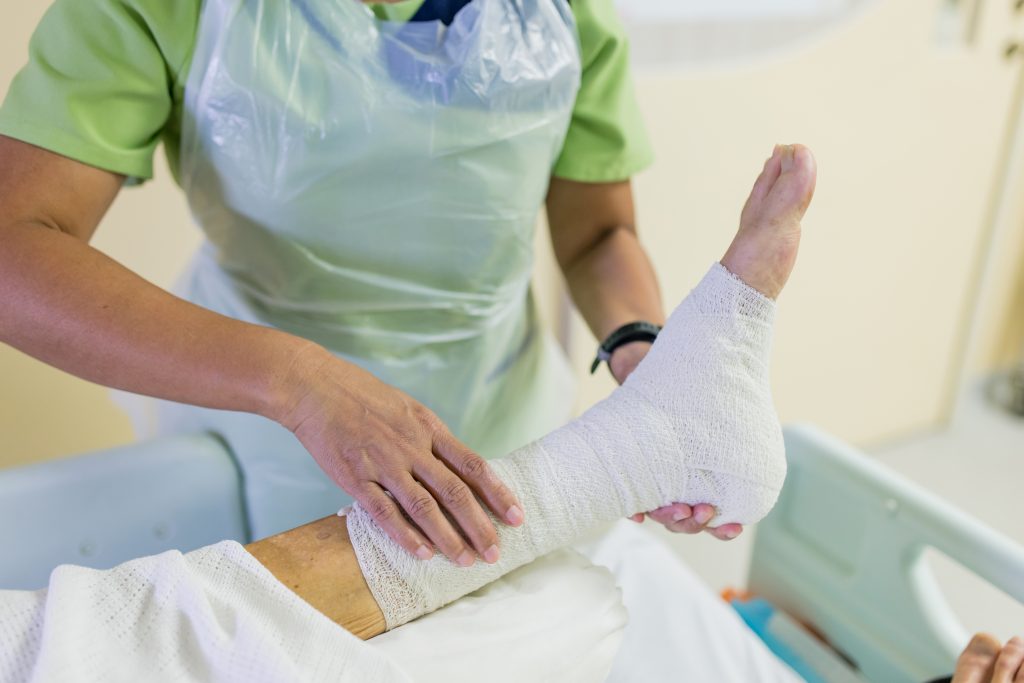
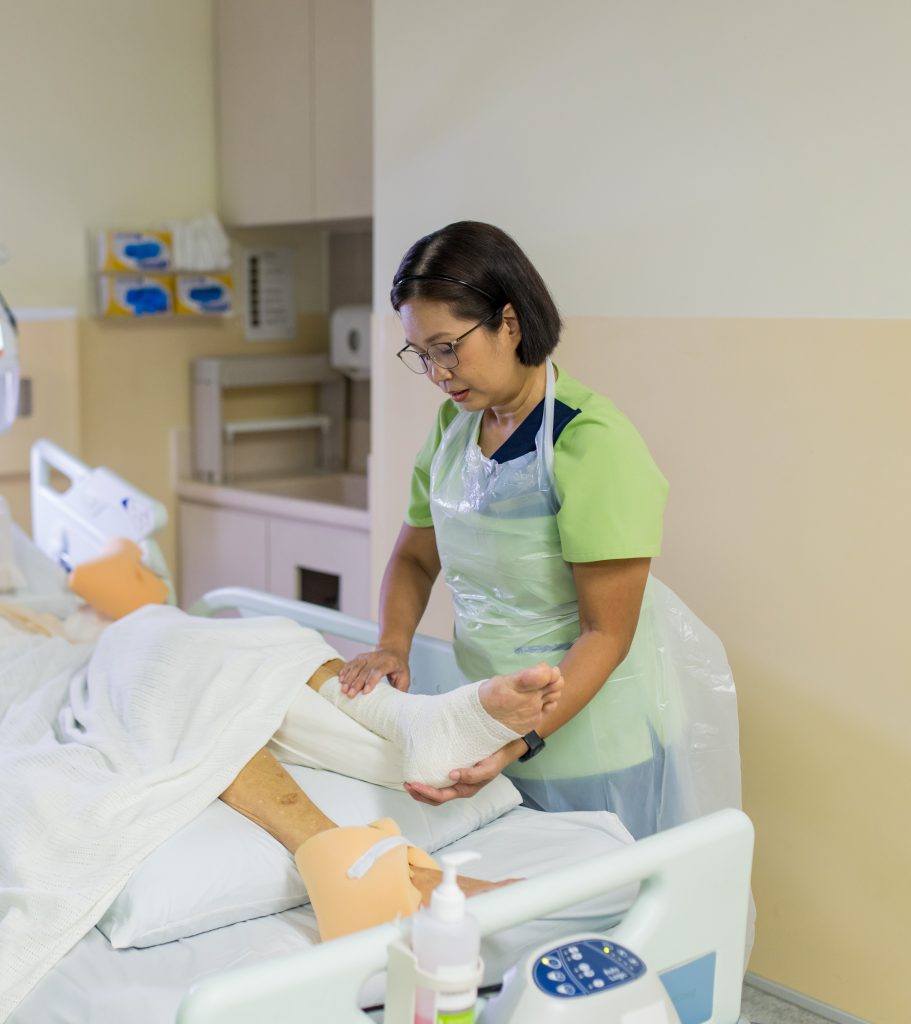
Caregiver education and training in wound cleaning, dressing and monitoring for infection

  • Work with patients and their loved ones on care plan and coordination of services
  • Guidance on nutrition, mobility and preventive care

Counselling and support to strengthen emotional and financial well-being

  • Psychosocial care to our patients and their families
  • Education & counselling for psychosocial and emotional issues
  • Application of financial assistance schemes
  • Linkages to community support service

Continuity of Care

At St Luke’s Hospital, patient care is holistic, coordinated and individualised.

There is also continuity of care from inpatient, outpatient to home and even in the community.

Government Subsidy

If you’re a Singapore Citizen or Permanent Resident, you may qualify for subsidies based on the National Means Test.

Reach out to check your eligibility — we’re here to help.

Frequently Asked Questions About Wound Care

Healing takes time. Keep your wound clean and properly covered, eat a balanced diet, stay hydrated, and follow your wound care instructions to support faster healing.

Keep your dressing clean and dry. Most wounds heal better when they are kept clean, moist and covered with an appropriate dressing. Ask your nurse which dressing is best for your wound.
A healing wound should gradually become smaller and less painful, with healthy new tissue forming. Seek medical advice if you notice increasing redness, swelling, pain or discharge.
Mild itching can be a normal part of the healing process. However, seek medical advice if the itching is severe or is accompanied by increasing redness, swelling, or pain.
No. Avoid picking or removing a scab, as it helps protect the healing tissue underneath. Let it come off naturally to reduce the risk of bleeding, infection and scarring.
Some wounds take longer to heal due to factors such as infection, poor circulation, diabetes, pressure or inadequate nutrition. Your healthcare professional can help identify factors that may be slowing your healing and recommend appropriate care.
Seek medical attention early if you experience sudden or increasing pain, swelling, redness or other changes in your wound. Early assessment and specialised wound care can help identify problems promptly, prevent complications and support healing.

St Luke’s Hospital is not a government hospital. It is a community hospital and a voluntary welfare organisation (VWO) located in Bukit Batok, Singapore.


While it is not directly operated by the government, St Luke’s Hospital works closely with public healthcare institutions and receives government support and subsidies. This allows eligible patients to receive subsidised care.