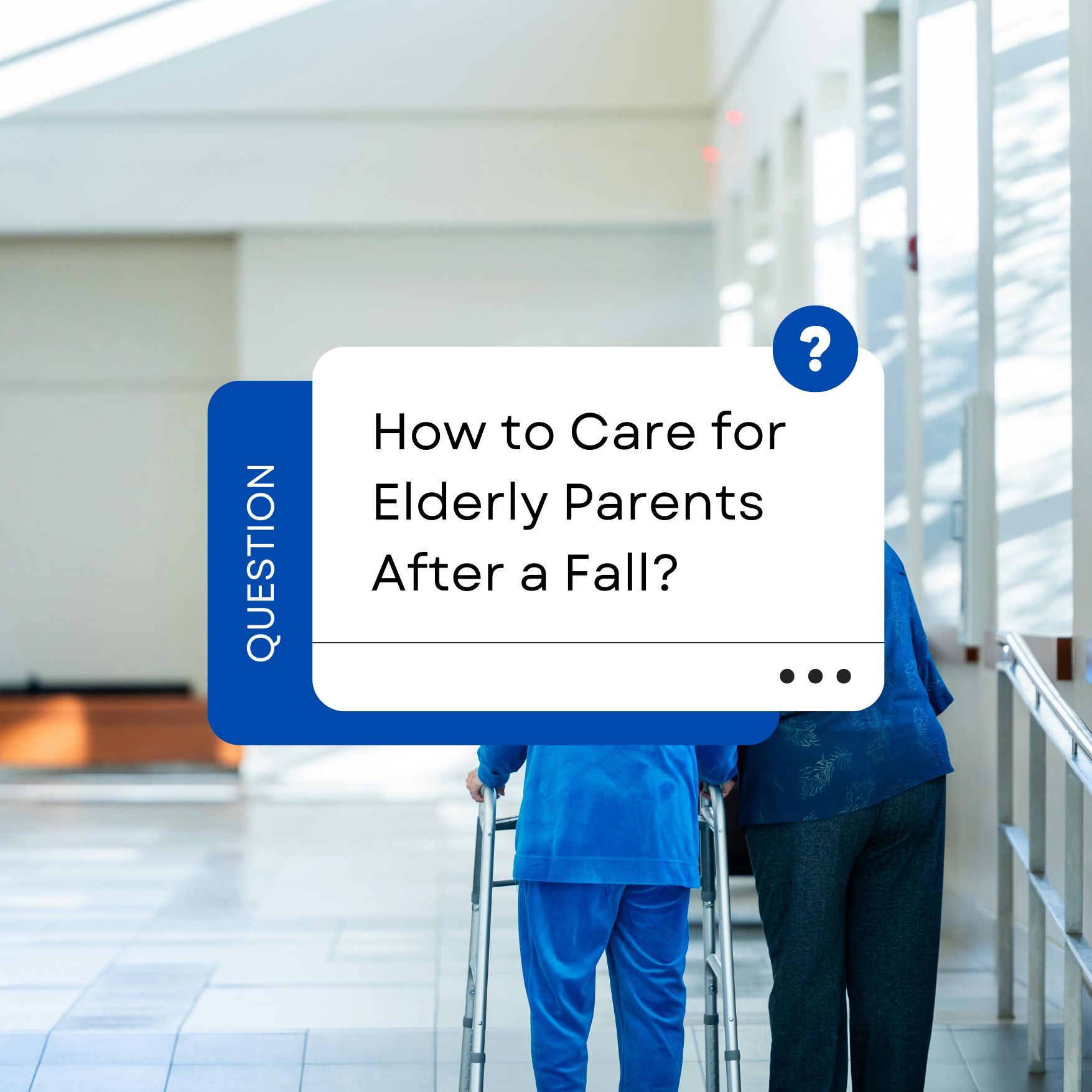
From Recovery to Prevention: Supporting Elderly Parents After a Fall
Falls are one of the most common and serious health risks facing older adults. In Singapore, they are a leading cause of injury-related deaths among seniors, with about one in three adults aged 65 and above experiencing at least one fall each year.
If your elderly parent has recently fallen, the right type of care — both immediately and in the weeks that follow — can make a significant difference. Proper support not only aids recovery but also helps prevent future falls and restores confidence in daily living.
What to Do Immediately After a Fall
The moments following a fall are critical. As a caregiver, it’s important to stay calm and assess the situation before taking action.
1. Check For Warning Signs
Look for:
- Visible bruising, swelling, or bleeding
- Complaints of pain, dizziness, or numbness
- Inability to move or stand
- Loss of consciousness
If any of these are present, call emergency services immediately.
2. Avoid rushing them to stand
Even if your parent appears uninjured:
- Do not pull them up suddenly
- Help them roll onto their side
- Guide them onto their hands and knees
- Allow them to get up slowly using stable furniture for support
Supporting Physical Recovery and Emotional Well-Being
A fall often affects more than just the body – it can also take a toll on emotional health. Recovery requires patience, encouragement, and reassurance.
🗣 Expert Insight
“Post-fall care is not just about physical recovery - it is about restoring balance and strength, preventing future falls, and rebuilding confidence in movement.
Through guided rehabilitation and personalised support, patients can regain trust in their bodies and return to daily activities with greater safety, independence, and assurance,” says Fahria Rahman, Lead, Physiotherapy at St Luke’s Hospital.
1. Encourage Safe Movement
Many seniors develop a fear of falling again, which may cause them to limit movement. However, gentle physical activity is crucial for long-term independence.
Encourage:
- Light exercises to maintain strength and flexibility
- Balance training to improve stability
- Gradual return to daily activities
At the same time, provide practical support with daily tasks such as bathing, dressing, or household chores until they regain confidence.
Related:

2. Rehabilitation Support
The Day Rehabilitation Centre at St Luke’s Hospital offers structured programmes designed to help seniors recover after falls. Guided by professionals, these programmes focus on:
- Restoring movement
- Improving balance and coordination
- Rebuilding confidence in a safe, supportive environment –
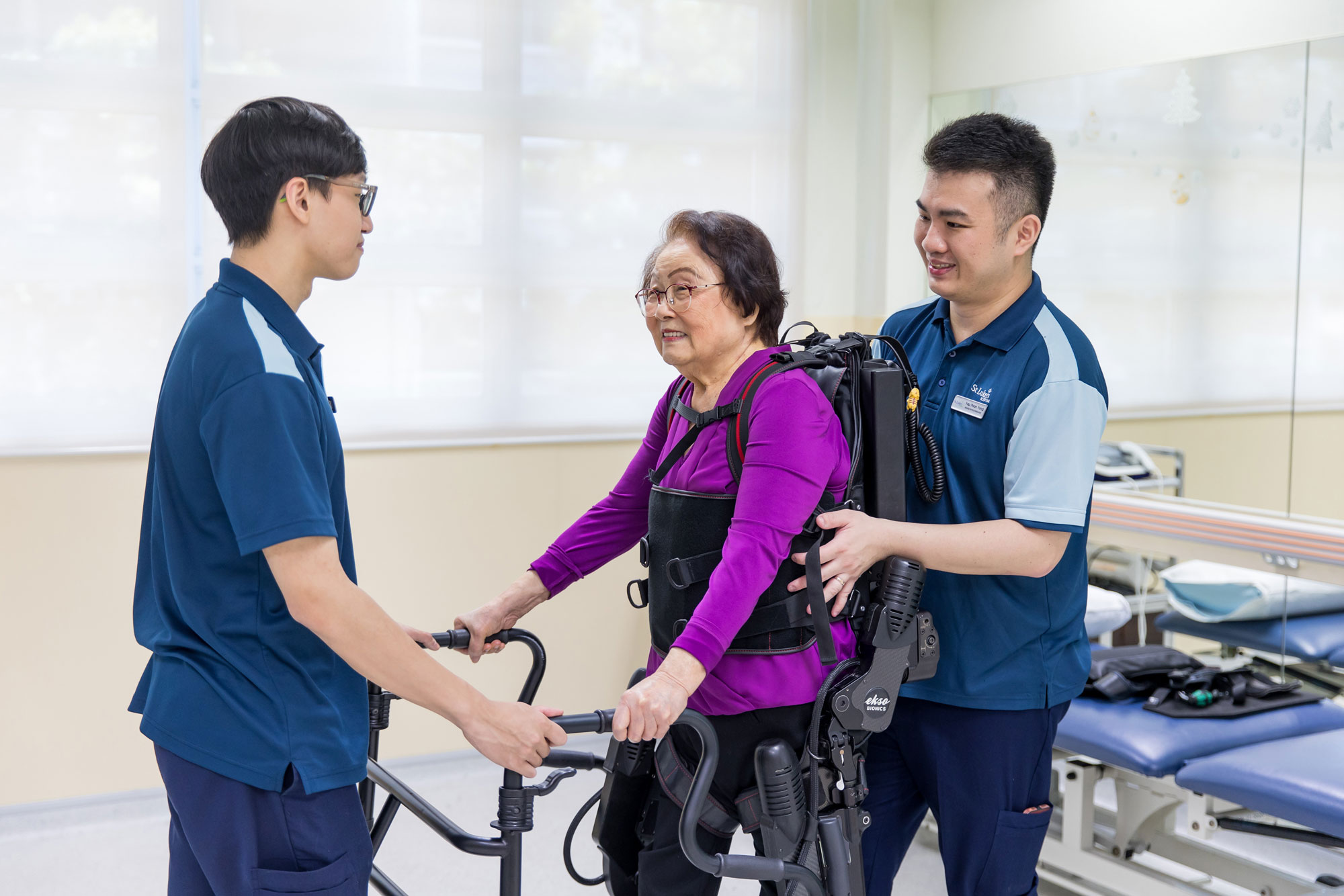
Physiotherapists work with patients to manage their pain, improve their balance, and physical mobility. This may be done through a variety of techniques such as exercise, stretching, and massage. Our physiotherapists will develop an individualised care plan to best suit patients’ needs.
Services:
- Physical and mobility training
- Balance training
- Aerobic conditioning
- Strength training
- Fall prevention
- Pain relief
- Caregiver training
- Exercise prescription
Our physiotherapist will conduct an assessment to understand the nature of the falls (how did the falls happen), how frequent the fall occurred, and further assessed if the fall is mechanical or systemic.

3. Address Emotional Impact
Fear of falling again can lead to:
- Reduced activity
- Social withdrawal
- Anxiety or depression
Show empathy and reassure your elderly parents that their fears are understandable. At the same time, avoid doing everything for them, as this may unintentionally reinforce feelings of helplessness.
Professional counselling, support groups, and participation in senior activity programmes can help seniors process their emotions and regain a sense of normalcy through safe social engagement.
Related:


Preventing Future Falls at Home
1. Make the home safer
- Remove clutter and secure loose rugs
- Ensure hallways, staircases, and rooms are well-lit
- Install motion-sensor nightlights for nighttime movement
2. Add safety features
- Grab bars in bathrooms
- Handrails on both sides of staircases
- Non-slip mats in showers
3. Review footwear and medications
- Ensure your parent wears sturdy shoes with non-slip soles
- Avoid loose slippers that increase fall risk
- Review medications with a healthcare provider to identify side effects like dizziness or drowsiness.
When combined with rehabilitation exercise programmes from St Luke’s Hospital, these changes can greatly improve balance, coordination, and confidence.
Related:


Building a Strong Support Network
1. Work with healthcare professionals
2. Share caregiving responsibilities
- Rotate caregiving duties among family members
- Assign roles such as appointment management or daily care
- Prevent caregiver burnout through shared responsibility
3. Get trained support
Caregiving courses focused on fall prevention and elderly care best practices are available for family members and foreign domestic workers. In some cases, professional caregivers or nursing homes may be appropriate if care needs exceed what the family can provide.
Planning
A fall can be a turning point. Use it as an opportunity to plan ahead.
Encourage your elderly parents to:
- Continue regular exercise even after recovery
- Attend routine health screenings for vision, hearing, and general wellness
Related:

This may also be a good time to discuss long-term care preferences. While these conversations can be difficult, having them early ensures that your parents’ wishes are respected and that the family is prepared.
Learn more about our full suite of rehabilitation services here