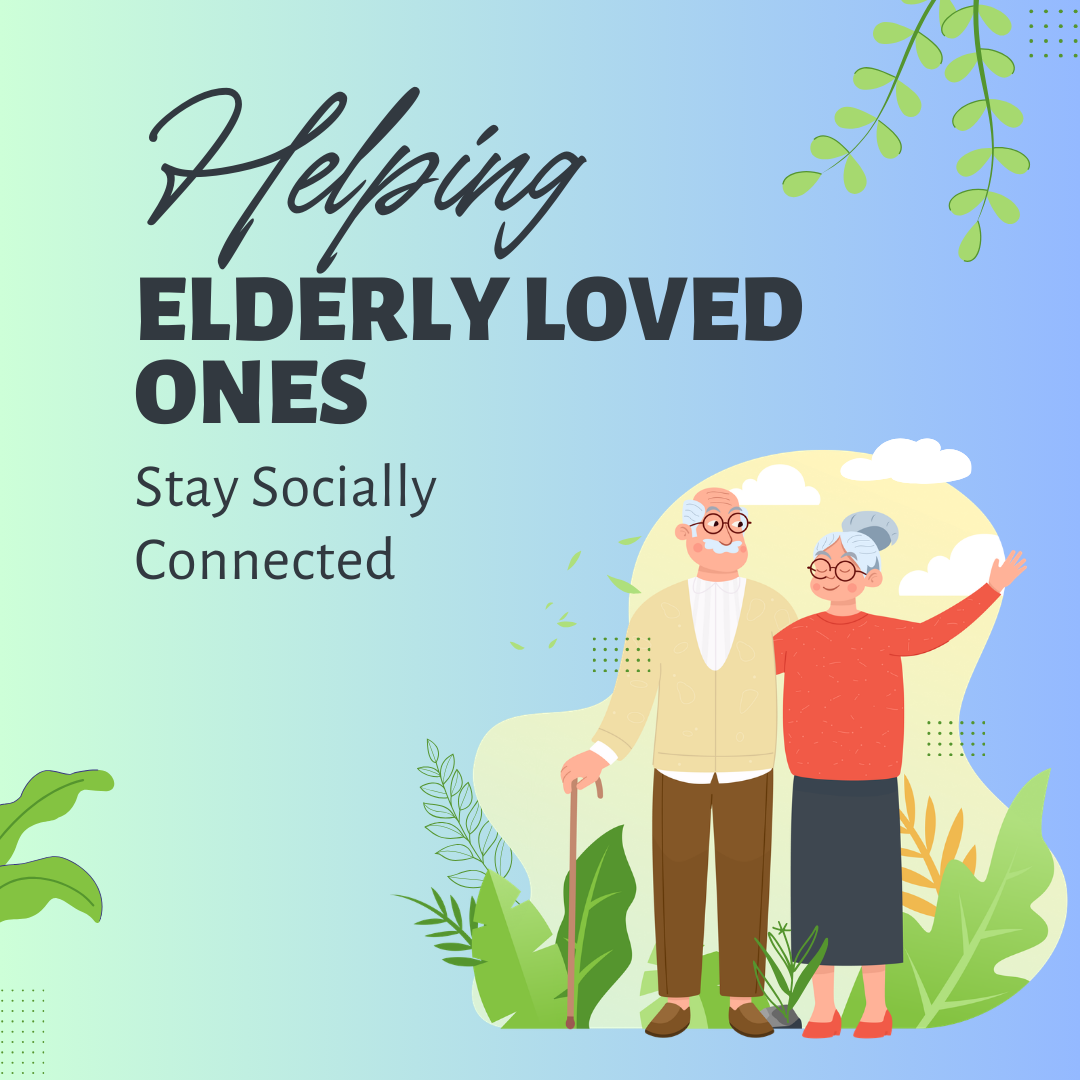
Families can help by encouraging conversation and listening with empathy. Not all seniors enjoy busy schedules or large gatherings — some prefer one-to-one chats or quieter settings. Asking questions like, “Who do you enjoy spending time with?” or “What activities bring you joy?” shows respect for their preferences and helps guide support.
Encouraging Community Participation
Community activities provide excellent opportunities for social engagement. Seniors can join:
- Hobby clubs, exercise classes, or volunteering programmes.
- Senior activity centres with structured activities and social interaction.
For example, Western Silvercare, a community initiative by St Luke’s Hospital for seniors aged 60 and above, helps participants build meaningful relationships through exercise sessions, games, cooking classes, and outings. Families can accompany loved ones initially to ease anxiety. Over time, seniors may gain confidence and form their own social circles. When choosing activities, consider accessibility, participant profiles, and personal interests for long-term engagement.
Related:


Leveraging Technology
Technology helps seniors connect, especially if mobility is limited. Video calls, messaging apps, and online interest groups allow interaction with family and friends locally and overseas. Tips for helping seniors use technology include:
- Provide simple instructions and practice together.
- Start with easy-to-use tools like video calls or messaging apps.
- Focus on connection, not mastery — the goal is meaningful social interaction.
Related:

Creating a Sense of Purpose
Strong social connections are often rooted in purpose. Seniors who feel valued and able to contribute experience increased confidence and motivation. Families can encourage purpose through:
- Caring for grandchildren or mentoring youth.
- Volunteering in community events or programmes.
- Participating in group activities that match interests and abilities.
A renewed sense of purpose can help seniors stay engaged, active, and socially connected.
Related:

Being Mindful of Transitions and Loss
Life changes such as illness or the death of loved ones can increase feelings of isolation. Families can help by:
- Checking in regularly and offering companionship.
- Gently encouraging reconnection with community activities.
- Watching for signs of prolonged loneliness or depression, such as withdrawal, changes in sleep or appetite, or loss of interest in activities, and seeking professional support when necessary.
Maintaining social connections for elderly loved ones is an ongoing process that evolves their needs. With patience, empathy, and consistent support, families can help seniors feel valued, engaged, and confident in their place in the world.
Learn More and Get Involved
Helping seniors stay connected is easier with the right support. St Luke’s Hospital’s Western Silvercare programme offers exercise sessions, hobby groups, cooking classes, and community outings for those aged 60 and above. Families can also get guidance on encouraging engagement and maintaining meaningful relationships.

To learn more or get involved, visit the Western Silvercare programme. Supporting your elderly loved ones in staying connected can bring renewed joy, purpose, and confidence to their lives.