When people hear the term “palliative care,” many assume it only refers to end-of-life care for cancer patients. Palliative care supports people living with a wide range of serious or life-limiting conditions — as early as from the time of diagnosis.
For many families, conversations about palliative care can feel unfamiliar or overwhelming at first. Understanding what palliative care involves may help patients and loved ones access support earlier and make care decisions with greater confidence.
Here are answers to some commonly asked questions about palliative care.
1. What is palliative care?
Palliative care is specialised medical care that focuses on improving comfort and quality of life for people living with serious illnesses.
It takes a whole-person approach to care by supporting them through:
- Management of physical symptoms such as pain and breathlessness
- Emotional and psychological wellbeing
- Social and family needs
- Spiritual care and personal wellbeing
Palliative care may be provided in different settings, including:
- Inpatient hospice
- Primary care and specialist outpatient clinics
- At home
The aim is to help patients live as comfortably and meaningfully as possible throughout their care journey.
2. Is palliative care only for cancer patients?
No.
Although palliative care is commonly associated with cancer, it also supports people living with other serious or progressive conditions, including:
- Heart failure
- Chronic lung disease such as COPD
- Kidney failure
- Advanced neurological conditions such as dementia or Parkinson’s disease
- Frailty related to ageing
Anyone living with a serious or life-limiting condition may benefit from palliative care.
Related:

3. When might someone benefit from palliative care?
Palliative care may be helpful for individuals who experience:
- Persistent symptoms such as pain, breathlessness, fatigue, or nausea
- Frequent hospital admissions
- Emotional distress related to illness
- Increasing care needs or difficulty planning ahead
Support is tailored to each patient’s condition, goals, and personal circumstances.
4. When should palliative care begin?
There is no “right” time to begin palliative care. For many patients, it can be introduced early, alongside treatments such as chemotherapy or dialysis, to provide additional comfort and support throughout the care journey.
Palliative care may begin:
- At the time of diagnosis
- During ongoing treatment
- As care needs become more complex over time
Research suggests that early palliative care improves:
- Comfort and quality of life
- Emotional wellbeing
- Early anticipatory care planning
- Reduced caregiver stress for loved ones
Importantly, receiving palliative care does not mean stopping treatment or giving up hope. Instead, it provides an additional layer of support focused on comfort, dignity, and quality of life.
5. What happens after starting palliative care?
Palliative care teams work closely with patients and caregivers to provide coordinated and holistic support that may include:
- Symptom assessment and management
- Emotional and counselling support
- Advance care planning
- Care coordination and caregiver guidance
- Psychosocial and spiritual care
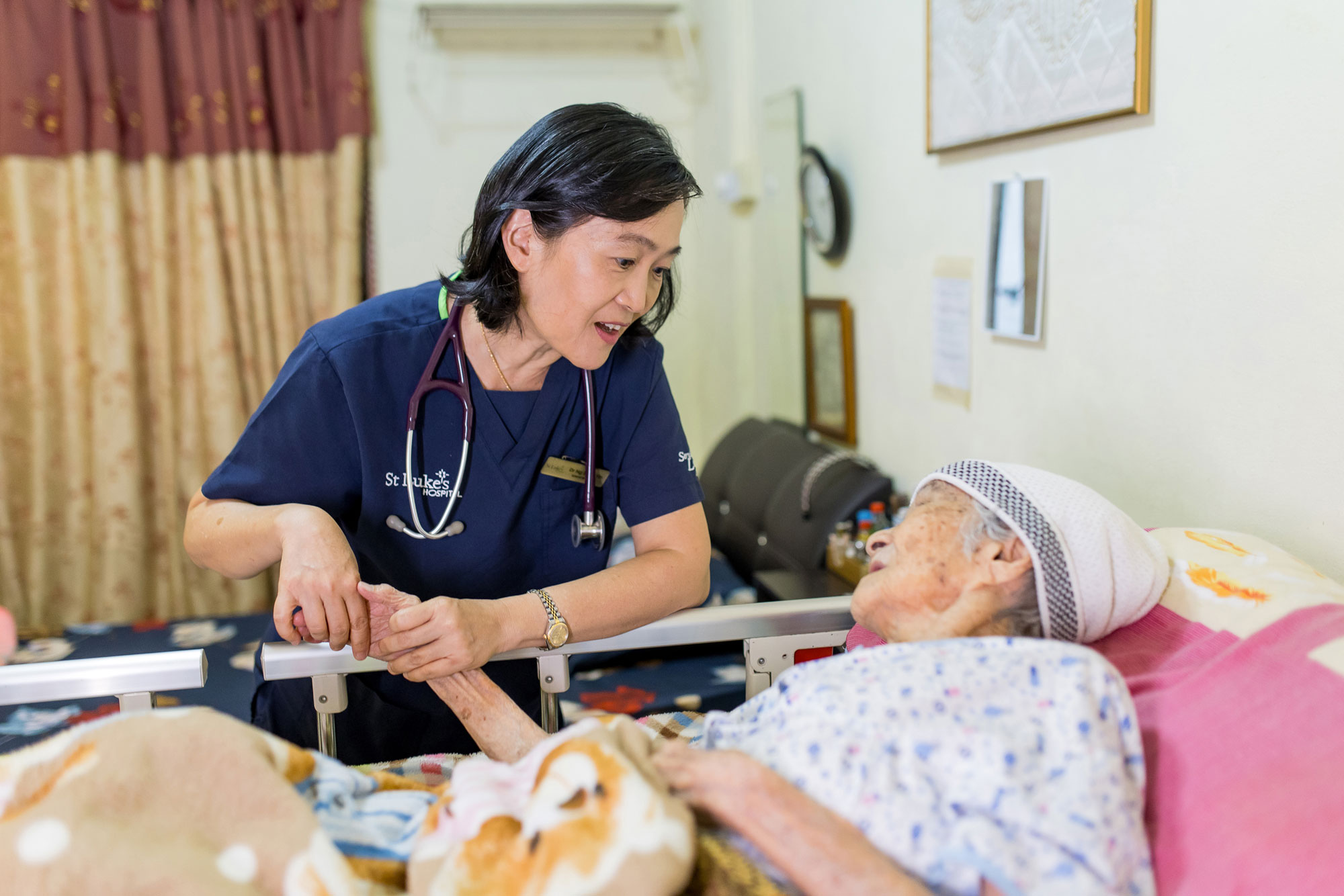
At St Luke’s Hospital, care is delivered through an interdisciplinary team that includes doctors, nurses, medical social workers, and pastoral care professionals.
6. Where can families find palliative care support in Singapore?
The St Luke’s Community Clinic offers a Primary Palliative Care Clinic that provides community-based palliative care for patients and families. According to St Luke’s Hospital, the clinic focuses on early palliative care and whole-family support within the community setting..
Services include:
- Clinical Care: Symptom management, advance care planning, and consolidation of care
- Social Care: Financial counselling, caregiver support, and service coordination
- Pastoral Care: Counselling, psychospiritual care, legacy work, and family therapy
Learn More
Palliative care is ultimately about helping people live well despite serious illness — not simply preparing for the end of life.
When families understand this earlier, they are often better supported in caring for their loved ones with comfort, dignity, and compassion.